Get Fence Staining
Fence staining services help property owners enhance appearance and protect wood fences from weather damage by providing professional staining and sealing projects.
If you’re considering enhancing the appearance and durability of your property’s fencing, you’re in the right place. Fence staining services can help protect your fence from weathering, extend its lifespan, and improve curb appeal. Property owners often explore staining options to maintain their outdoor spaces, prevent damage, and keep their homes looking well-kept. Whether you’re preparing for a seasonal update or seeking a long-term solution, understanding your local options can make planning your project more straightforward.
Finding the right local contractors for fence staining involves comparing experienced service providers in your area. Many property owners take the time to evaluate different options to ensure quality results that meet their specific needs. Keep reading to discover how local pros can assist with your fencing project, and learn more about the benefits of professional stain application for your property.
- Fence Staining for Curb Appeal - homeowners seeking to enhance the appearance of their property can find local contractors who specialize in fence staining.
- Weathered Fence Restoration - when fences have become worn or faded due to exposure, local pros can refresh and protect the wood.
- Fence Maintenance and Protection - property owners wanting to preserve their fences from future damage may connect with local contractors offering staining services.
- Fence Repair and Upgrades - if a fence needs minor repairs along with staining, local service providers can handle both tasks efficiently.
- Custom Staining Projects - those interested in unique or decorative finishes for their fences can find local pros experienced in custom staining techniques.
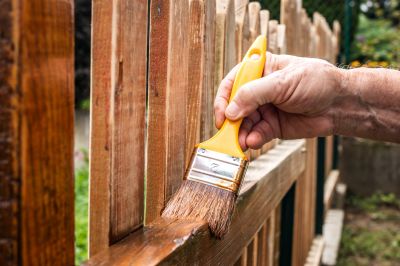
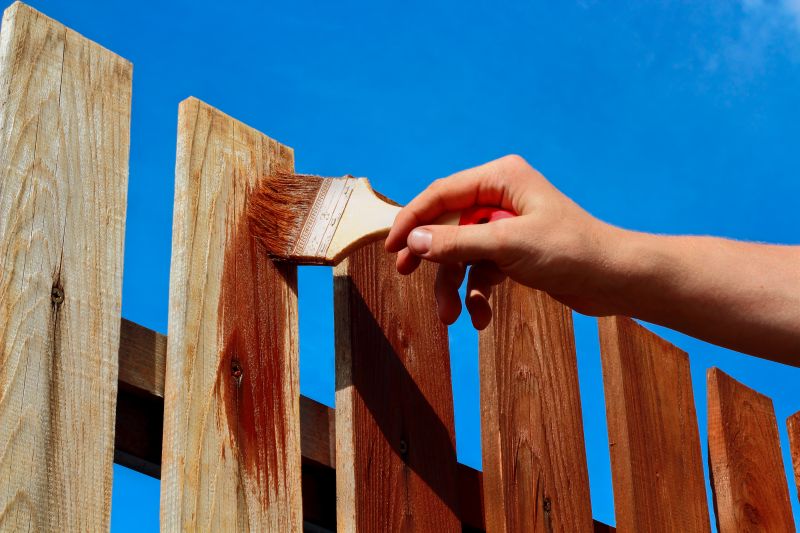

Fence staining services involve applying a protective and decorative finish to existing wood fences. This process typically includes preparing the surface by cleaning or sanding to ensure proper adhesion, followed by applying a stain that enhances the natural wood grain while providing a barrier against the elements. The goal is to improve the appearance of the fence and extend its lifespan by shielding it from moisture, UV rays, and other environmental factors that can cause deterioration over time.
Many common problems can be addressed through fence staining. Over time, wood fences may fade, develop gray patches, or suffer from cracking and splintering due to exposure to sun, rain, and temperature changes. Staining helps to restore color and vibrancy, hiding minor imperfections and preventing further damage. It also reduces the likelihood of wood rot and insect infestation by creating a protective layer, which can be particularly beneficial for fences that are showing signs of aging or have been neglected.
Fences are used on a variety of properties, including residential homes, farms, and commercial properties. Homeowners often choose fence staining to improve curb appeal and protect their investment, especially on wood fences surrounding yards, gardens, or pools. Larger properties or rural settings may also benefit from stain services to maintain privacy fences, decorative fencing, or boundary markers. This service is suitable for any property where preserving or enhancing the appearance of a wooden fence is desired and where protection from weathering is a priority.
Homeowners typically consider fence staining when their fences look dull, faded, or weathered, or if they want to prevent future damage. It is also a practical choice after installing a new fence to ensure it maintains its fresh look longer. Service providers can assess the condition of the existing fence, recommend suitable stains, and perform the work efficiently. Contacting local contractors can help find experienced professionals who can handle fence staining projects tailored to the specific needs of each property.
The overview below groups typical Fence Staining projects into broad ranges so you can see how smaller, mid-sized, and larger jobs often compare in your area.
In many markets, a large share of routine jobs stays in the lower and middle ranges, while only a smaller percentage of projects moves into the highest bands when the work is more complex or site conditions are harder than average.
Smaller Repairs - Most routine fence staining projects for smaller fences or sections typically cost between $250 and $600. These jobs usually involve minor touch-ups or freshening up existing stain work. Many local contractors handle projects within this range regularly.
Standard Fence Staining - For staining an average-sized fence, costs generally fall between $600 and $1,200. This range covers most full fence staining jobs for residential properties. Fewer projects reach into the higher end of this range unless additional prep work is needed.
Large or Complex Projects - Larger fences or those requiring extensive prep work can range from $1,200 to $3,000 or more. These projects are less common and often involve additional surface preparation or multiple coats for durability.
Full Fence Replacement - When a complete fence replacement is necessary before staining, costs can start around $3,000 and go well over $5,000 for larger or premium materials. Local service providers can help assess the scope and provide accurate estimates for these extensive projects.
Actual totals will depend on details like access to the work area, the scope of the project, and the materials selected, so use these as general starting points rather than exact figures.
Deck Staining and Refinishing - this project involves preparing and applying protective stains, similar to fence staining, requiring surface preparation and attention to detail.
Wood Surface Restoration - restoring and sealing outdoor wood features like pergolas and gazebos shares skills in wood preparation, staining, and finishing techniques.
Outdoor Furniture Refinishing - applying protective finishes to outdoor wooden furniture involves similar staining, sanding, and sealing methods used in fence staining.
Privacy Screen and Trellis Painting - enhancing outdoor structures with stain or paint requires surface prep, application skills, and an understanding of wood materials.
Playground Equipment Sealing - applying protective coatings to outdoor wooden play structures involves similar planning, surface prep, and staining techniques.
Exterior Wood Siding Treatment - staining or sealing exterior wood siding requires surface cleaning, preparation, and application skills comparable to fence staining projects.
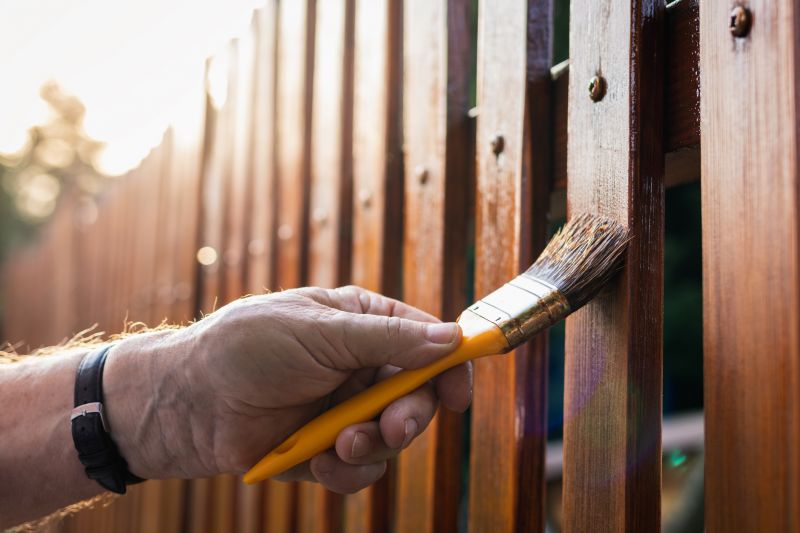
When evaluating potential service providers for fence staining, it’s important to consider their experience with similar projects. Homeowners should inquire about how long a contractor has been working on fence staining jobs and whether they have a proven track record with fences comparable in size, material, and condition. A contractor’s familiarity with different types of fencing can help ensure that the project is handled efficiently and that the results meet expectations. Checking whether a local contractor has completed projects in the area can also provide insight into their understanding of local climate conditions and any specific challenges that might affect the stain’s performance.
Clear, written expectations are essential to ensure that both the homeowner and the service provider are aligned on the scope of work. When comparing local pros, it’s helpful to ask for detailed descriptions of the services included, such as preparation, staining methods, and any surface repairs. A reputable contractor should be willing to provide a written estimate or scope of work that outlines what will be done and what to expect upon completion. This documentation helps prevent misunderstandings and provides a reference point throughout the project, making it easier to address any concerns or adjustments if needed.
Reputable references and good communication are key indicators of a reliable contractor. Homeowners should seek out local service providers who can supply references from previous clients, especially those who had similar fencing projects. Hearing about others’ experiences can offer valuable insights into the quality of work and professionalism. Additionally, effective communication-such as prompt responses to inquiries and clarity in explaining services-can significantly influence the overall experience. When comparing options, choosing a local contractor known for transparent and consistent communication can help ensure the project proceeds smoothly and results align with the homeowner’s expectations.
Property owners use Fence Staining services for practical projects around their homes and businesses. This guide focuses on everyday jobs and straightforward project options.
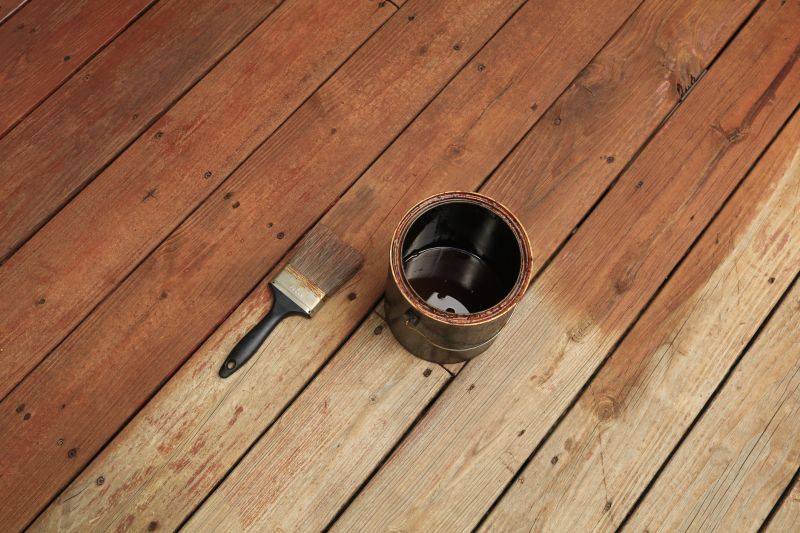
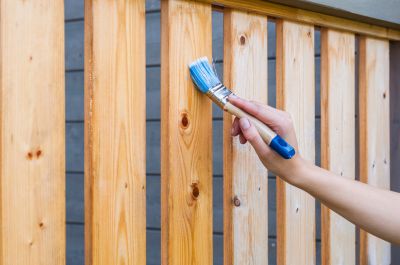
Fence staining services are often sought after by property owners looking to improve the appearance and longevity of their fencing. Whether a fence has become faded from exposure to the sun or shows signs of wear and tear, local contractors can provide staining solutions that restore its look and help protect the wood from future damage. Homeowners may also consider staining when preparing to sell a property or simply wanting to enhance curb appeal, making the fence a more attractive feature of the yard.
In addition to aesthetic reasons, property owners might look for fence staining to prevent weather-related deterioration and extend the life of their fencing. Local service providers can assist with applying protective stains that shield against moisture, rot, and pests. This type of work is common in neighborhoods where fences face regular exposure to the elements, and many property owners turn to nearby contractors to handle the project efficiently and professionally.
What is fence staining? Fence staining involves applying a protective and decorative finish to a wooden fence to enhance its appearance and durability.
Why should I consider staining my fence? Staining can improve the look of a fence, protect it from weather damage, and extend its lifespan with proper care.
What types of stains are available for fences? There are various stain types, including transparent, semi-transparent, and solid stains, each offering different levels of color and protection.
How do local contractors typically prepare a fence for staining? Preparation usually includes cleaning the surface, removing old stain or debris, and allowing the wood to dry thoroughly before applying a new coat.
Can fence staining be done on any type of wood? Most common fencing materials like cedar, pine, and redwood are suitable for staining, but it's best to consult with local service providers for specific recommendations.
Enhance Privacy and Security - Staining a fence can improve privacy around a yard or garden, making outdoor spaces more comfortable for daily activities.
Restore and Protect Wood Surfaces - Property owners can refresh worn or faded fences to extend their lifespan and maintain a neat appearance.
Define Property Boundaries - Staining can help clearly mark property lines, adding a polished look while providing a subtle boundary indicator.
Improve Curb Appeal - A freshly stained fence can boost the overall look of a home, making outdoor areas more inviting and well-maintained.
If you are thinking about Fence Staining for a property, this guide is meant to help you understand the work, the typical project types, and how different options might fit your plans.
When you are ready, you can use the quote form on this page to share a few details about your project. From there, local pros can review the basics and respond with options that match what you have in mind.